
Monticello Railway Museum
WELCOME ABOARD!
Welcome to the Monticello Railway Museum, a non-profit, all-volunteer organization in central Illinois with an operational railroad and yard open to the public. For the 2024 season, we will be offering train rides on Saturdays and Sundays from May 4 through October 6, as well as a number of special events throughout the year.
We collect, preserve, interpret, and exhibit materials and artifacts from throughout the fascinating history of trains and railroading. Come explore our many rail cars and other equipment, and view our museum displays.
upcoming events


Train Rides and More
The museum is open for train rides on Saturdays and Sundays from April through October. You may board the train at the Nelson Crossing Depot (the main museum site) or at the Wabash Depot in downtown Monticello. The train ride lasts approximately one hour. Passengers may also choose to lay over at either depot to view displays and catch a later train back. You can walk through the display cars and view many pieces of rolling stock, as well as visit the museum's gift shop.
Our Collection
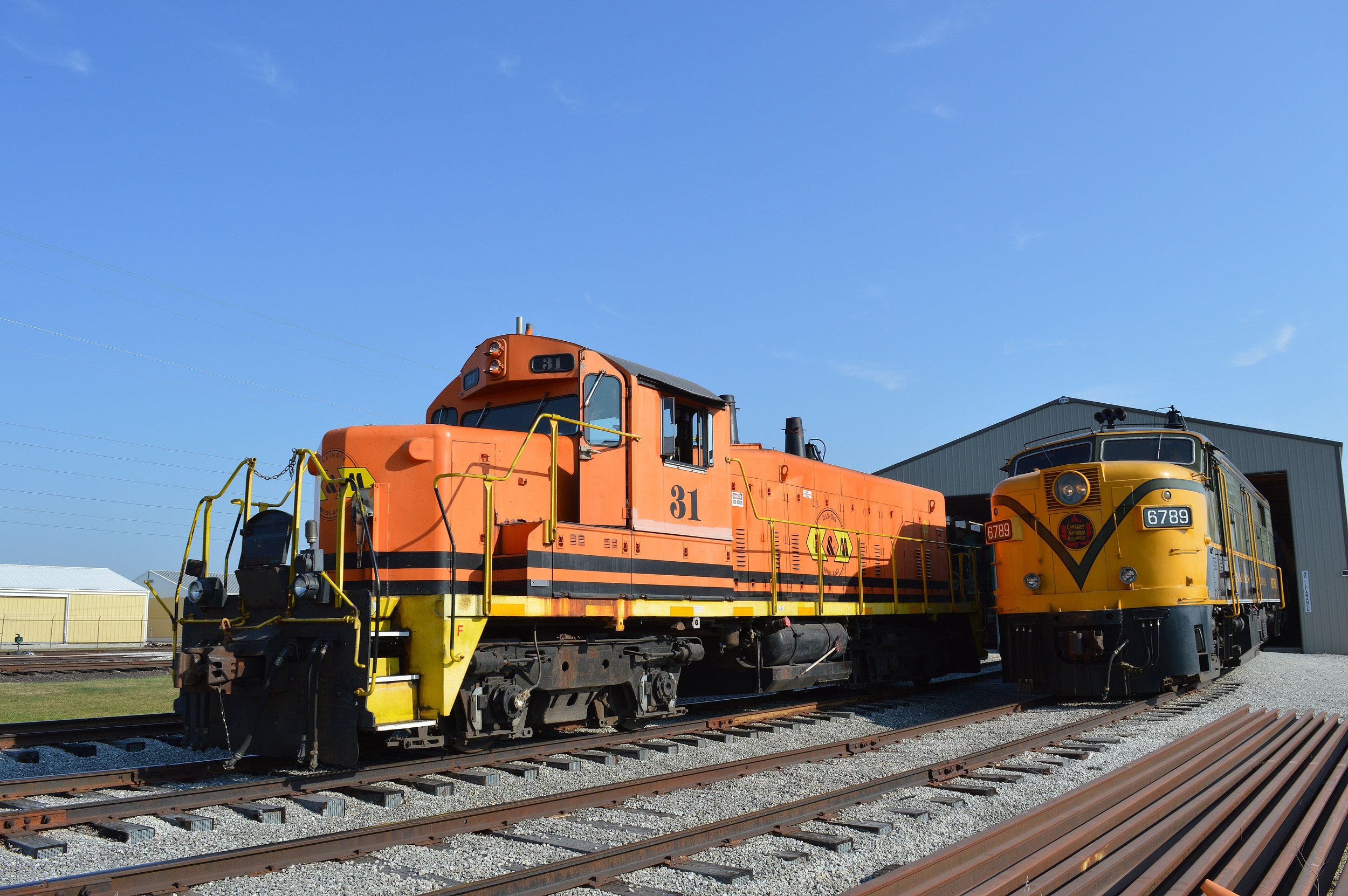
The Monticello Railway Museum is home to over 70 historic trains, including steam and diesel locomotives and several different types of rolling stock. Our collection includes pieces from all across the United States, some of which are over 100 years old. You can explore the equipment on display or take a ride in a vintage passenger car pulled by a historic locomotive.
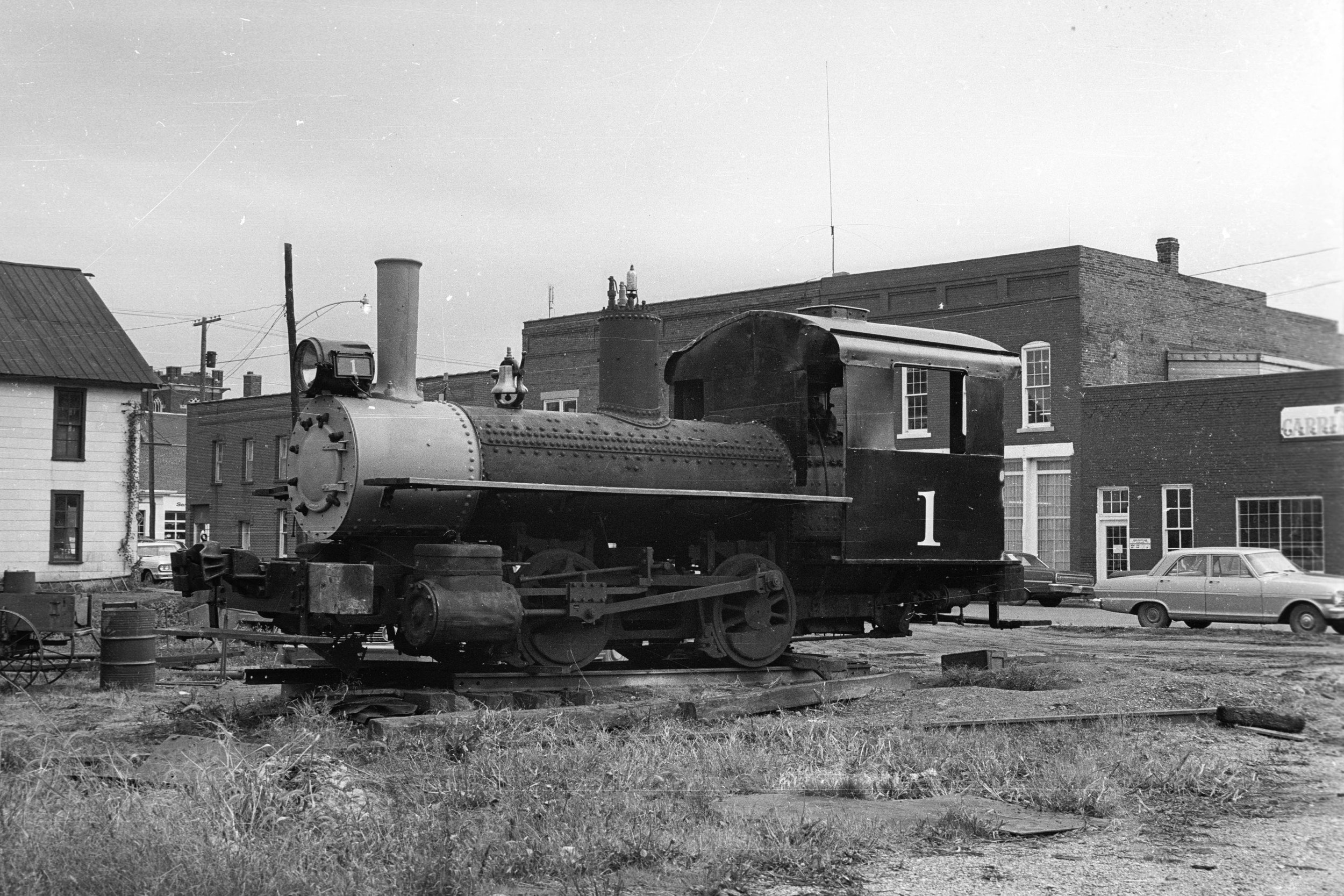
HISTORY OF THE MUSEUM
The Monticello Railway Museum, a not-for-profit educational organization, was founded in 1966 with the goal to operate steam-powered passenger train excursions. Since then, the museum has expanded by collecting historic equipment, constructing display and restoration facilities, and offering various train rides and events.
Volunteer with US
The Monticello Railway Museum is an all-volunteer operation and we welcome volunteers from all walks of life. Whether you are interested in becoming part of a train crew, working in the gift shop or exhibit cars, assisting at special events, working on equipment in our shop complex, or simply answering questions for our visitors, there is a growing need for volunteers at the Monticello Railway Museum. Please ask any of our volunteers, contact us or inquire at the Nelson Crossing Depot for further information.